


From Scattered Sources to Ready Reports: Inside SoftPro’s Cloud-Native SaaS ETL Platform
It’s Monday morning, and the weekly report is late again. Sales data sits in one database, marketing numbers come from an external API, and finance sends its figures as spreadsheet exports. Someone has to collect all of it, fix the formats, remove duplicates, and load the result into the warehouse by hand. By the time the report is ready, the data is already out of date.
For most growing organizations, this is how data work looks every week. Data is one of the most valuable assets a business has, but collecting it from disconnected systems, cleaning it, and structuring it is still a constant struggle.
The cost of manual data work
Without reliable automation, the same problems keep coming back:
Delayed reports: decisions rely on data that is days old.
Blind spots: information that never made it into the warehouse is simply missing.
Manual fixes: skilled people spend their time copying and correcting data.
The usual alternative is to build your own ETL infrastructure and hire specialists to maintain it, which many teams can’t justify.
To solve this, SoftPro built a cloud-native SaaS ETL platform that automates the full ETL cycle. Organizations pull data from many sources, reshape it according to their own rules, and send it straight into their preferred data warehouse or storage. The platform handles everything from bulk transformations to live data syncing, and it stays approachable for teams across different industries and skill levels.
How the platform works: three layers
Layer 1: Extract
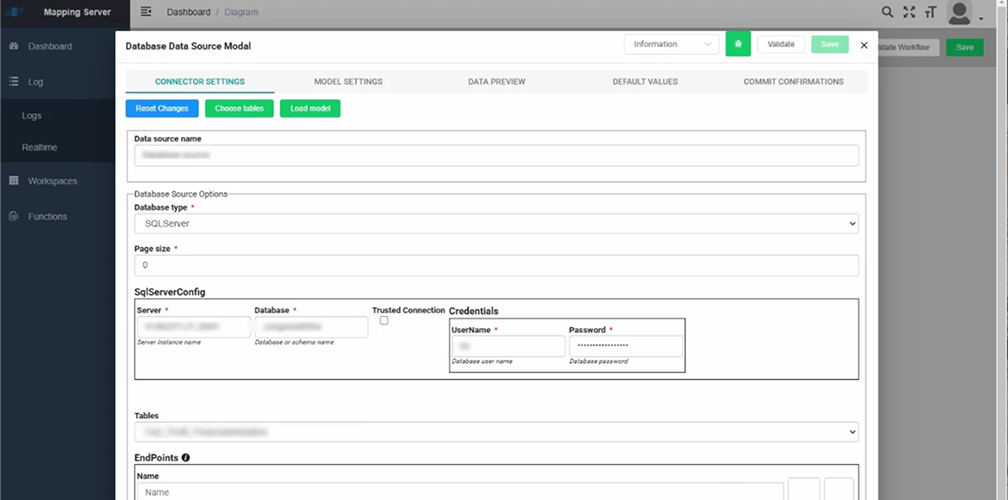
The platform connects directly to databases, external APIs, files, and cloud environments. Data in different formats is collected into one unified space, so fragmented sources stop being a problem.
Layer 2: Transform and validate
Transformation module. Users apply custom rules such as filtering, sorting, mapping, and grouping to prepare data for reporting or analysis.
Validation checkpoints. Data is checked at every stage of the pipeline, so issues are caught before they reach dashboards or reports.
Layer 3: Load and automate
Automatic loading. Processed data goes straight to the chosen destination, whether that is cloud storage, a SQL database, or a proprietary repository.
Automated ETL cycles. Entire cycles run without manual effort, keeping data fresh and reducing the time it takes to produce reports.
Hire SoftPro for Data Pipeline Development
Contact SoftPro to discuss your data integration needs. Partner with them to automate ETL workflows and build a secure, scalable pipeline tailored to your goals.
Built to scale, built to protect
Elastic scale. The platform runs on Azure infrastructure and scales automatically to handle datasets of any size without slowing down.
Security at every stage. Strong encryption and multi-layered authentication protect data throughout extraction, transformation, and loading.
The numbers behind the platform
80% first-pass validation. Most workflow configurations pass validation on the first attempt, which reduces rework and speeds up go-live.
70% faster time-to-launch. Average launch time is shorter than with legacy ETL tooling, so teams get value from day one.
93% less manual work. Manual data handling drops sharply, freeing staff for higher-value work and reducing human error.
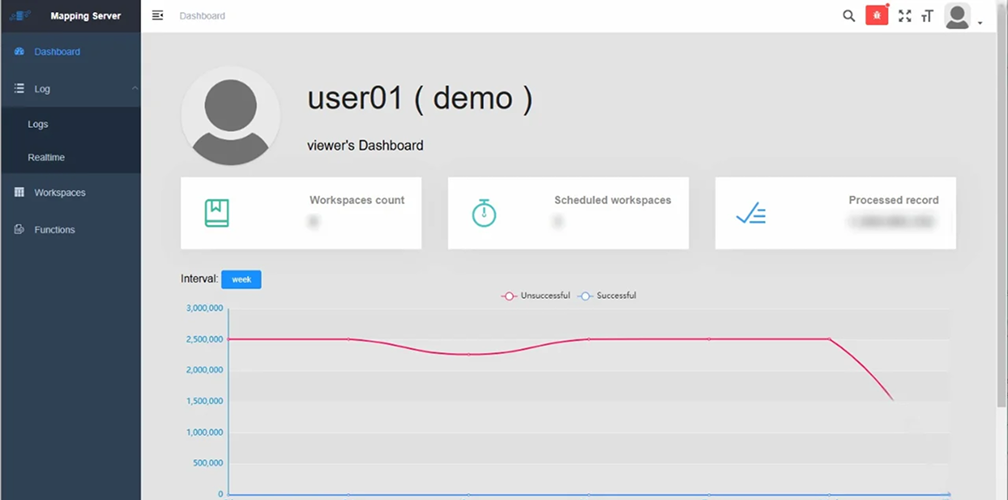
<2s live sync. Real-time dashboards update with less than two seconds of latency, giving near-instant visibility into pipeline health.
18-month history. Performance data is retained for 18 months, which supports deeper trend analysis and long-term optimization.
55% fewer support requests. Requests related to data integration go down, so the IT team can focus on strategic work.
Getting started
Inventory your data sources (databases, APIs, files, and cloud tools) and note who owns each one.
Write down transformation rules before you automate them. Unclear filtering or mapping logic will only produce wrong results faster.
Define validation criteria early so quality checks reflect real business rules, not just technical formats.
Decide on real-time versus batch for each data flow. Not every report needs second-level freshness.
Plan security from the first pipeline, including encryption, access levels, and authentication.
Start with the report that hurts most, prove the value there, and then expand.
Organizations planning a similar move can explore SoftPro’s software development services and build a data pipeline around their own sources and rules. business needs.
Conclusion
Manual ETL work keeps reports late and teams busy with data that should move on its own. SoftPro’s cloud-native platform automates the whole cycle: extraction from any source, rule-based transformation with validation at every stage, and automatic loading into the chosen destination, all on scalable and secure Azure infrastructure. The result is fresher data, far less manual effort, and faster decisions.


